The 3:00 AM Brain: Where My Best Ideas Hide
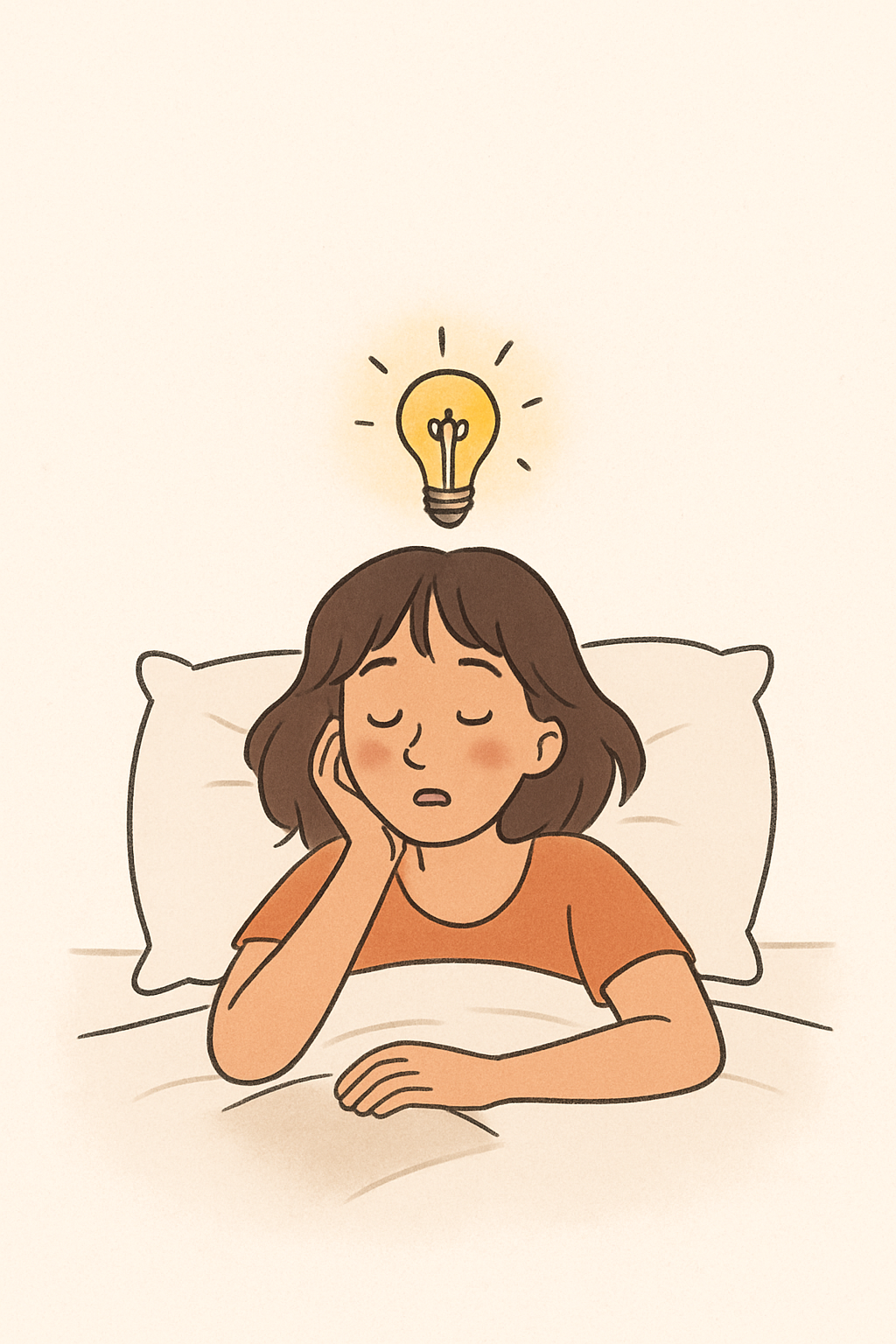
I have learned that my best ideas have no respect for normal hours or personal boundaries. They prefer to appear at three in the morning when the world is silent and I am trying to talk myself back to sleep. They also like to show up in the shower when my glasses are nowhere near me and I am staring at my hand, trying to guess if I am holding shampoo or conditioner. The odds are never in my favor, yet somehow those blurry, sudsy moments create the perfect conditions for clarity.
There is something that happens in my brain when the pressure slides away for a second. My mind begins to gather all the little moments I collected without even realizing it. A sentence from a student, a problem I pushed aside earlier in the week, an idea floating around from a conversation with a teacher, and a thought I saved from an article all drift toward each other until they finally click. It always feels like the idea was waiting for the right moment to show up, which apparently means it was waiting for me to have soap in my eyes.
Scientists would call this the brain’s default mode network. I call it the zone where my brain can finally breathe without a to do list strapped to it. Creativity seems to enjoy the quiet, the stillness, and the moments when I am not trying so hard to make something happen. The human mind is funny that way. When it gets room to wander, it often wanders straight into something brilliant.
Education does not always make this easy. Leaders are constantly solving problems, managing details, putting out fires, and trying to keep everyone afloat. Long stretches of quiet thinking time are almost mythical. Innovation needs room to stretch out, yet most days leaders barely get room to sit down. No wonder the best ideas choose the moments when everything finally slows.
The need for new ideas has never been greater. Students are growing up in a world that rewards curiosity, creativity, emotional intelligence, communication, critical thinking, and a strong sense of their own learning process. These skills lift achievement and open new possibilities for kids, and they thrive when the adults leading them are able to think with imagination and courage. That kind of thinking grows in the places where the mind feels safe enough to explore.
Some of my favorite IXR ideas arrived in the unplanned spaces of my life, long before I tried to polish them or turn them into something concrete. I still remember the feeling of those first sparks. They came quietly and confidently, asking me to listen. They asked me to trust them before I understood them. They surfaced in the darkness of early morning or behind a blur of steam in the shower, which somehow made them feel even more honest.
The next time your brain delivers an idea at three in the morning or gives you a spark of brilliance while you are holding a mystery bottle in the shower, lean into it. Those moments might feel ridiculous, yet they are often the ones that remind us we are still capable of imagining something better for kids. If the idea is bold enough to wake you up, it is probably bold enough to change something that matters.
